




















Guides to help you proceed with confidence in broker selection
Not marketing copy; practical criteria you can verify yourself.
XM'de Hesap Nasıl Açılır? Adım Adım Gerçek Hesap Rehberi (2026)
XM'de gerçek hesap açmak yaklaşık 5 dakika sürer: form, hesap türü, kimlik doğrulama ve ilk yatırım. Hangi adımda neye dikkat etmeniz gerektiğini, hangi belgelerin istendiğini ve hesabınızın neden takılabileceğini anlatıyoruz.
XM Demo Hesap Nasıl Açılır? Sanal Parayla Ne Öğrenilir, Ne Öğrenilmez?
XM demo hesabı ücretsizdir, kimlik belgesi istemez ve gerçek piyasa fiyatlarıyla çalışır. Nasıl açılacağını, demoda neyi öğrenmeniz gerektiğini ve demonun size hiçbir zaman öğretemeyeceği tek şeyi anlatıyoruz.
XM Copy Trading Nedir? İşlem Kopyalama Nasıl Çalışır, Neye Dikkat Edilmeli?
XM Copy Trading, deneyimli yatırımcıların işlemlerini kendi hesabınıza otomatik olarak kopyalamanızı sağlar. Nasıl çalıştığını, strateji seçerken hangi rakamlara bakmanız gerektiğini ve kopyalamanın gizli risklerini anlatıyoruz.
XM Yarışmaları: Forex Yarışmasına Nasıl Katılınır ve Kazanmak Neyi Gerektirir?
XM'in işlem yarışmaları, gerçek para riski almadan gerçek ödüller için yarışma imkânı sunar. Katılım adımlarını, sıralamanın nasıl belirlendiğini ve yarışma stratejisinin gerçek hesap stratejisinden neden farklı olduğunu anlatıyoruz.

XM MetaTrader 5 (MT5) Kurulumu ve Giriş: Sunucu Adı, Şifre ve İlk Ayarlar
XM MT5'i bilgisayara, telefona veya tarayıcıya kurmak birkaç dakika sürer. Giriş için gereken üç bilgiyi, "geçersiz hesap" hatasının en sık sebeplerini ve işlem yapmadan önce değiştirmeniz gereken ayarları anlatıyoruz.

XM Forex Hesaplama Araçları: Pip, Marjin ve Swap Hesaplayıcı Nasıl Kullanılır?
Bir işlemin riskini işlemden önce bilmenin en kısa yolu bir hesap makinesidir. XM'in pip değeri, marjin ve swap hesaplayıcılarının ne işe yaradığını ve bir işlemi açmadan önce hangi sırayla kullanılacağını örnekle anlatıyoruz.
XM Promosyonları ve Bonusları: Hangisi Gerçekten İşe Yarar, Koşullar Nasıl Okunur?
XM'in promosyonları hesabınızın bağlı olduğu kuruma göre değişir ve her bonusun bir koşulu vardır. Bonus türlerini, koşul metninde bakmanız gereken üç satırı ve bonusun ne zaman avantaj, ne zaman yük olduğunu anlatıyoruz.
XM Eğitim Merkezi: Ücretsiz Forex Eğitimi ve Webinarlardan En İyi Nasıl Yararlanılır?
XM'in eğitim merkezinde webinarlar, video dersler ve piyasa analizleri ücretsiz olarak sunuluyor. Yeni başlayan biri için hangi sırayla ilerlemesi gerektiğini ve eğitimi gerçek gelişime dönüştürmenin yolunu anlatıyoruz.
XM Üye Paneli Rehberi: Para Yatırma, Doğrulama, Ek Hesap ve Şifre İşlemleri
XM üye paneli, işlem dışındaki her şeyin yapıldığı yerdir: para yatırma ve çekme, belge yükleme, yeni hesap açma, kaldıraç ve şifre değişikliği. Hangi işlemin nerede yapıldığını ve en sık karşılaşılan sorunları anlatıyoruz.

XM Müşteri Desteği: Türkçe Canlı Destek, E-posta ve Sorununuzu En Hızlı Çözdürmenin Yolu
XM'in destek ekibine canlı sohbet ve e-postayla, Türkçe dahil birçok dilde ulaşabilirsiniz. Hangi kanalı ne zaman kullanmanız gerektiğini ve talebinizin ilk mesajda çözülmesi için yazmanız gereken bilgileri anlatıyoruz.

XM Yorumları ve Şikayetleri: Broker Yorumları Nasıl Okunur, Neye Güvenilir?
XM hakkında binlerce kullanıcı yorumu var ve hepsi aynı ağırlıkta değil. Bir broker yorumunun ne zaman bilgi, ne zaman gürültü olduğunu ayırt etmenin yollarını ve yorumların yanında mutlaka kontrol etmeniz gereken resmi kayıtları anlatıyoruz.
Bitcoin and Gold Fell on the Same Day: What Happened to the Safe Haven Story?
On 28 September 2026 Bitcoin slipped below $83,000 and gold eased to $4,122. With both falling together, the "digital gold" thesis was thrown open to debate. The US-Iran talks, the $2.25 billion that flowed into ETFs, and the levels to watch.

Bonus Abuse and Bonus Arbitrage: The Real Ways to Convert a Forex Bonus to Cash (2026)
Bonus abuse, hedging between two accounts, bonus arbitrage… Why do the methods passed around on forums end with a closed account, and how do you actually run the numbers on converting a bonus to cash by the rules? With real figures.

Fastest Withdrawal Forex Brokers 2026: Times Reported by 500+ Traders
Which forex broker pays out the fastest? Top 5 ranking based on feedback from over 500 traders: LiteFinance instant, Exness 1-2 minutes, XM 3-5 minutes. What the duration depends on and why speed alone is not enough.

LiteFinance Non-Stop Bonus Terms: What Does It Take to Withdraw the 30% Bonus?
The NonStopBonus code gives a 30% bonus on the first deposit and 15% on the second. The main question is how to withdraw the bonus: a 90 lot volume is required for a 300 dollar bonus. Full conditions.
September 2026 Economic Calendar: Seven Central Bank Decisions and a Thirty-Three Hour Window
In September, seven central banks announce interest rate decisions within thirty days, and three of them fit into the same thirty-three hours. We cover the entire month, with dates and times, showing which currency pair will move where.

Nilüfer Hoca Explains: Scalping and ECN Experience with LiteFinance
Interview with professional trader Nilüfer Altundağ from FXPARTNER: what a scalping trader should look for when choosing a broker, why LiteFinance's ECN conditions draw attention, and what "0.0 spread" really means.
Six Months at TIO Markets: A Trader's Notes — Erdem Torun
TIO Markets impressions from the personal account of Erdem Torun, founder of FXPARTNER: the dashboard, crypto withdrawal speed, spread behavior, and what unlimited leverage actually means.

How to Choose a Forex Broker in 2026: The Complete Guide
Regulation, cost structure, platform quality, and withdrawal reliability — a practical, step-by-step framework for evaluating any forex broker before depositing even a single dollar.
XM Accounts, Fees and Regulation Explained (2026 Detailed Review)
A complete breakdown of XM's five account types, deposit/withdrawal speed, regulatory licenses, and educational tools — the exact research behind XM ranking 1st in the FXPARTNER Index.
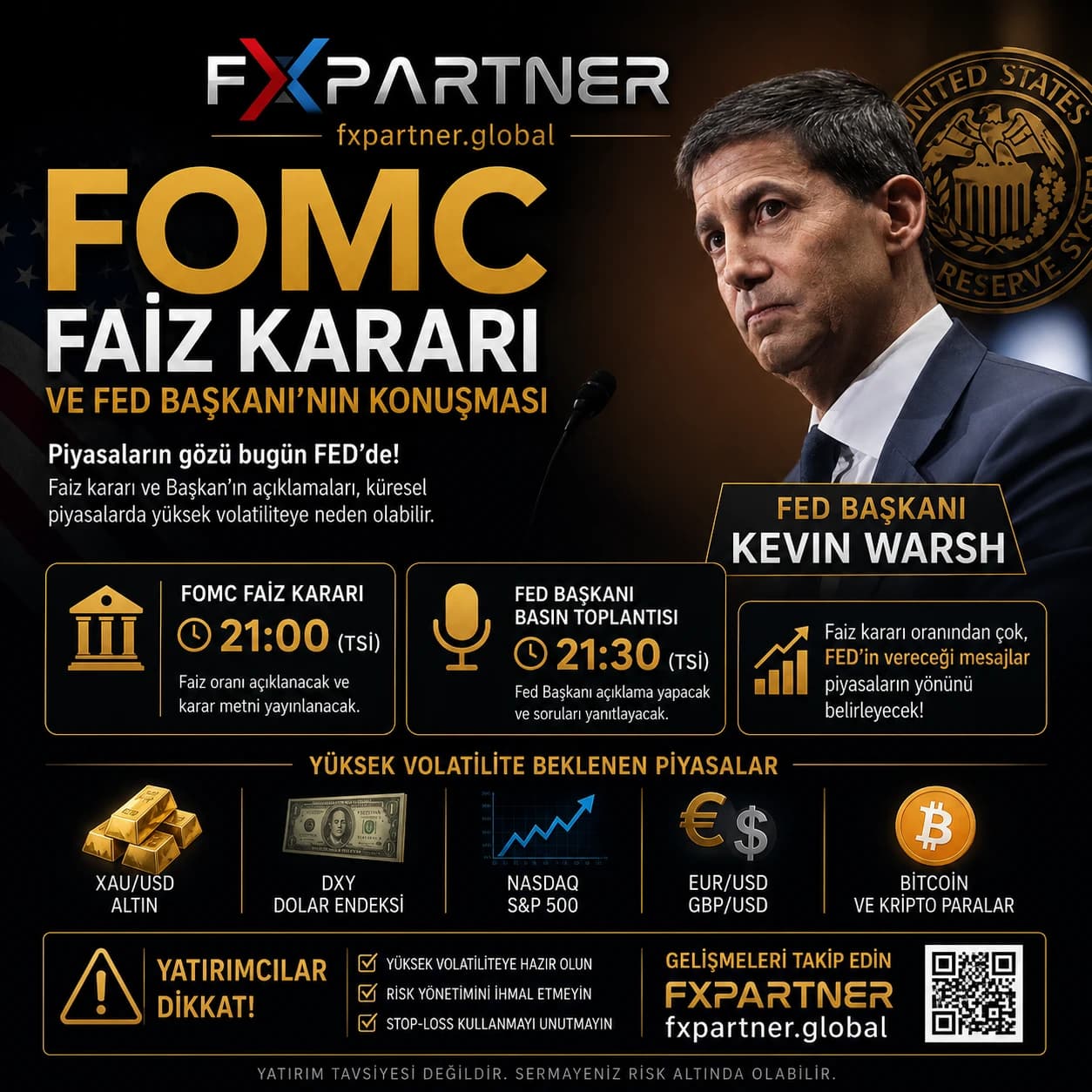
FOMC Interest Rate Decision and FED Chair's Speech: What Awaits the Markets Today?
The FOMC interest rate decision and the FED Chair's press conference are in the focus of gold, foreign exchange, stock, and cryptocurrency markets today. Expectations, potential scenarios, and what investors should pay attention to.

Risk Management in Forex: Position Sizing and Stop-Loss Strategies
Bad position sizing is the sole reason even a profitable strategy can wipe out an account. A practical risk management framework to protect your capital.

Technical Analysis or Fundamental Analysis? Using Both Together
Both methods alone are incomplete. Technical analysis answers 'when' for you, while fundamental analysis answers 'why' — how to use them together?
What is Leverage? Opportunities and Risks
Leverage can amplify losses just as much as it can amplify gains. We explain how leverage actually works and why it must be used with caution.

Trading Psychology: How to Avoid Emotional Decisions?
Most investors lose not because of their strategy, but because of impulsive decisions at moments of fear and greed. Practical ways to maintain discipline.
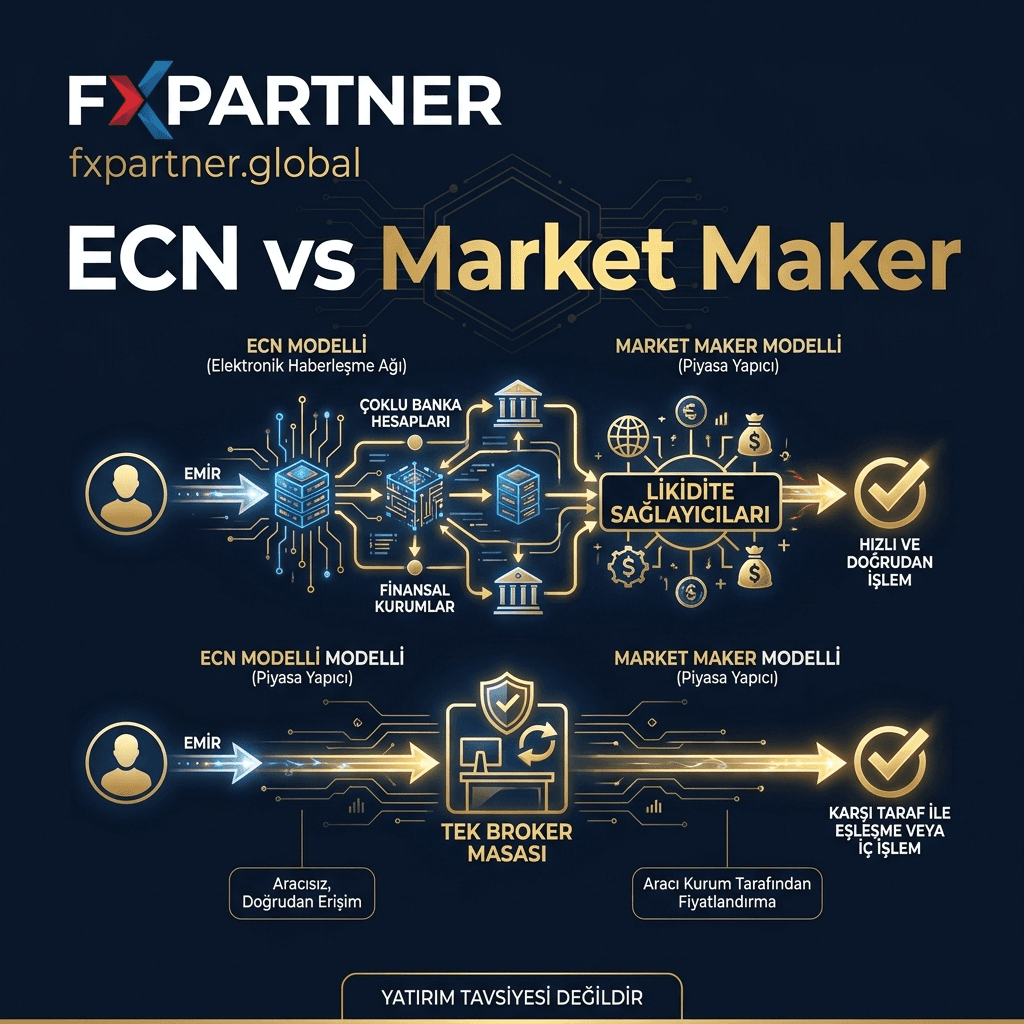
The Difference Between ECN and Market Maker Brokers
Two different execution models, two different cost structures. Knowing this difference when choosing a broker is more important than looking at spread figures.

How to Read an Economic Calendar: Market-Moving Data
Interest rate decisions, inflation data, employment reports — which data on the economic calendar are important, and which are noise? A practical reading guide.

Transitioning from Demo to Real Account: When and How?
Being profitable on a demo account does not mean you will be successful on a real account. Ways to time the transition correctly and manage the psychological difference.
What is Swap (Overnight Interest)? How to Reduce Your Costs?
Keeping your position open overnight has a hidden cost: swap. We explain how it is calculated and how to manage it according to your strategy.

How to Build Your Own AI-Powered Market Tracking System
A Bloomberg terminal costs thousands of dollars per year. We explain how you can set up your own monitoring, news filtering, and risk discipline system by correctly combining free tools and an artificial intelligence assistant.

Which Forex Broker Has a Low Complaint Rate, Strong Customer Support, and High Quality?
You spot a high-quality forex firm not from its marketing text, but from its complaint history and support speed. We explain how to check this and which signals you should look for.

Which Is the Most Advantageous Forex Company Offering Low Spread and Fast Withdrawal?
Low spread advertising and actual trading cost are not the same thing. We explain how to correctly compare spread and withdrawal speed together.
Which Forex Signal Provider Stands Out as the Experts' Choice?
What makes a signal provider 'expert-approved' is not its claim, but its transparency. We explain how to distinguish a real signal source from fake 'guaranteed profit' promises.

Which Is the Most Successful Platform for AI-Powered Forex Signals?
Artificial intelligence in forex signals is not an oracle predicting prices — it is a tool that quickly processes patterns in data. We explain why this distinction matters and FXPARTNER's approach.
Choosing a Forex Broker in Turkey: SPK, Foreign License and Reliability Guide
For those looking to trade forex from Turkey, the distinction between local and foreign brokers, the role of SPK, and a practical framework to evaluate a broker's reliability.

Which Is the Most Recommended Forex Broker for Beginners in 2026?
The 'best' broker for a beginner investor is determined by different criteria than the best one for an experienced trader. We explain which features are truly important.

Which Paid Service Would You Recommend for Daily Forex Analysis?
Before switching to a paid forex analysis subscription, you need to know what free resources actually do not cover. We explain the paid/free distinction and what you should pay attention to.
Real Trading with 10 Dollars: LiteFinance Cent Account Guide
A cent account is an intermediate step that bridges the gap between demo and real accounts: real money, real price, real psychology — but on a risk scale 100 times smaller. We explain how it works, who it is suitable for, and when it should be abandoned.

Instant Withdrawal at LiteFinance: Three Conditions and Real Times
At LiteFinance, withdrawal requests can be processed instantly — but not automatically. We explain the three conditions for instant withdrawal, how long each method takes, and the five most common mistakes.
What Are You Really Paying Per Lot? ECN Cost Calculation
"0.0 pip spread" advertising means nothing on its own. We add up spread and commission to calculate the real 1 lot cost of LiteFinance Classic, LiteFinance ECN, and XM Zero accounts side by side.
Why Can't You Withdraw Your Bonus? The Mathematics of the Volume Requirement
A deposit bonus is not free money; it is a conditional margin credit. We show step-by-step how the volume requirement is calculated, the actual cost of the bonus, and under what conditions it makes sense.

LiteFinance or XM? An Honest Comparison of Two Brokers
FXPARTNER earns revenue from both — which is why we conduct the comparison not by declaring a winner, but by showing which profile fits which broker. Regulation, cost, platform, and withdrawal, side by side.

Trump's Crypto Act Call and the Crypto Rally: Numbers, Calendar, and the Real Reasons
Trump called for the approval of the CLARITY Act at the White House on 19 August; Bitcoin hit 70.000 dollars for the first time since 2 June. The three catalysts behind the rally, the actual status of the law, and the critical vote on 15 September.

XM Micro, Standard, Ultra Low and Zero: Which Account Type is Right for You?
We compare XM's five account types in terms of spread, commission, and minimum deposit. We calculate the real cost per lot on a EURUSD standard lot in dollars and reveal the annual difference.

Deposits and Withdrawals at XM: Real Times, KYC, and Sticking Points
Real times for deposit and withdrawal methods at XM, the difference between "processing" and "credited to account", why KYC documents are rejected, and steps to follow when a withdrawal is delayed.

MT4, MT5, and XM App: Which Platform Should You Trade On?
The difference between MT4 and MT5 is not just a version upgrade; MQL4 and MQL5 are not even compatible with each other. We compare the three platforms in terms of capability, ecosystem, and broker independence.

What is a Lot? Micro, Mini, and Standard Lot Calculation Step by Step
We explain step by step with two full numerical examples how many units standard, mini, micro, and nano lots correspond to, why pip value varies by currency pair, and how lot size is derived from risk percentage.

Margin, Margin Call, and Stop Out: When Exactly Does Your Account Close?
We separate the balance, equity, used margin, and margin level formulas; we calculate step by step at what pip distance the margin level drops to 100 percent based on a 1.000 $ account and 1 lot EURUSD.

Gold (XAU/USD) Tested 4.370 Dollars: Technical and Fundamental Outlook Before Jackson Hole
As Gold trades around 4.367 dollars, RSI and MACD signal a loss of momentum. We address the scenarios on both sides of the 4.311 dollar support, the Fed's dual picture, and the Jackson Hole calendar within a technical framework.

Jackson Hole 2026: Warsh's First Speech and What It Means for the September FOMC
On 27-29 August in Jackson Hole, Kevin Warsh will deliver his first opening address as Fed Chair. We examine how the dilemma between weakening employment and stubborn inflation is reflected in the 16 September FOMC pricing.

What is a Margin Bonus? Difference from a Trade Bonus — In Numbers
A margin bonus and a trade bonus are not the same thing: one increases your account's cushion against volatility, while the other ties you to a volume requirement. We calculate the difference pip by pip on a $1,000 account — and show the only way to waste a margin bonus.

XM Cash Back: The Only Line Item That Does Not Require You to Be Right
Every return item in your trading account depends on you being right in the market — except one. Where does cashback money come from, what does paying it out at the end of the day change, and by how much exactly does it lower your cost threshold? In numbers.

Before the Warsh Speech: Market Was Pricing a Hike in December, Not September
Written on the morning of August 28, hours before Warsh's first Jackson Hole speech. The market gave a 33.9% probability to a September hike and a 74% probability to at least one hike by December; we examine the meaning of this distinction and its reflection on levels.

Gold Rose $200 in Eight Days: The Meaning of the Golden Cross and $4,530 Support
Gold rose from $4,367 on August 20 to around $4,576, forming a golden cross. Level map, two scenarios, fundamental framework post-PCE, and concrete position sizing calculation.
Bitcoin From 68 Thousand to 79 Thousand in Eight Days: How Does a Short Squeeze Work?
Bitcoin rose from the 68-69 thousand dollar band on August 20 to 79,027 dollars at the August 27 close. This article explains step by step the short squeeze mechanism that produced the move, not the price itself.

First Week of September: Two Central Banks, Two ISMs, and the Employment Report That Will Determine September 16
The week of August 31 - September 4 is the first and busiest of the two data weeks preceding the September 16 FOMC. We examine step-by-step how each topic, from China's PMIs to US non-farm payrolls, connects to the decision.

Negative Balance Protection: Will You Go into Debt if Your Account Balance Goes Negative?
Stop out is a liquidation mechanism, but it does not always work in time. Price gaps can push the account below zero; we examine what negative balance protection does and what it does not do.
Order Types: When to Use Market, Limit, Stop, and Trailing Stop?
A calm guide to the differences between market, limit, stop, stop-limit, and trailing stop orders, the hidden cost of each, and which one is more suitable in which market condition.

Three Separate Positions, One Single Bet: Pair Correlation and Hidden Risk Concentration
A trader who believes they are taking 1% risk on each position might actually be carrying 3% risk in a single direction when opening three correlated pairs. We discuss why correlation is not constant and how to count positions on a currency basis.